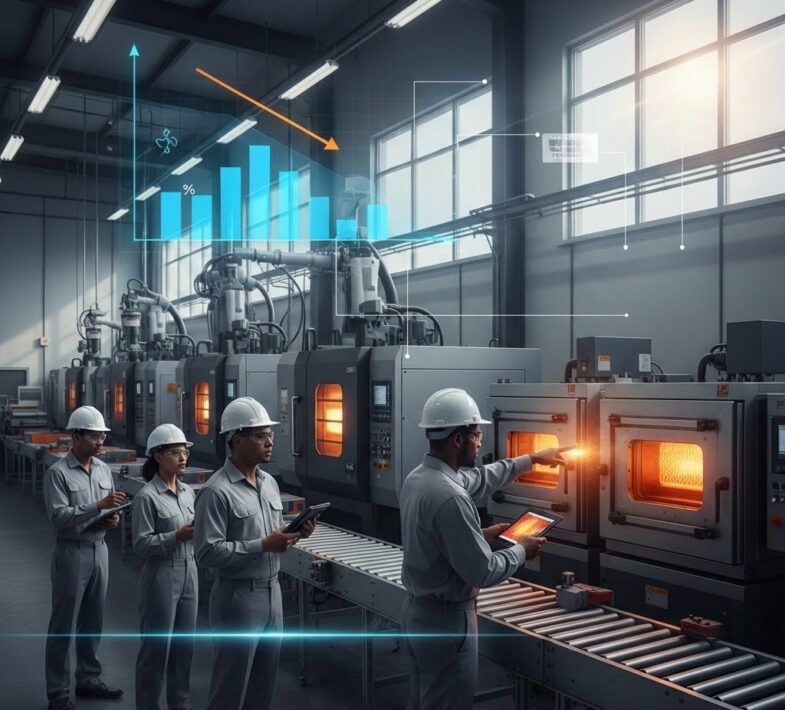
Saving energy is crucial, as heating systems are among the largest consumers of energy in both homes and commercial buildings, often accounting for more than 40% of total energy usage. Inefficient heating not only increases utility bills but also accelerates wear and tear on equipment while contributing to environmental impact. Fortunately, there are practical strategies to save energy without compromising comfort. From simple behavioral adjustments to major system upgrades, adopting a comprehensive approach ensures that your heating system operates efficiently. Implementing even a few of these strategies can lead to measurable savings within a short period, making your system more sustainable, cost-effective, and comfortable.
Thermostat Management for Maximum Efficiency
One of the most immediate ways to save energy is through proper thermostat use. Maintaining a consistent temperature of 18–20°C (64–68°F) during the day and lowering it slightly at night or when rooms are unoccupied can significantly reduce energy consumption. Smart thermostats offer automation features, learning your daily routine and adjusting heating schedules to match your needs. This prevents unnecessary energy use while keeping your spaces comfortable. Frequent manual adjustments, on the other hand, force the system to work harder and consume more energy, which reduces efficiency. Adopting these thermostat strategies is one of the easiest and most cost-effective ways to achieve saving energy in your heating system.
Regular Maintenance: Ensuring System Efficiency
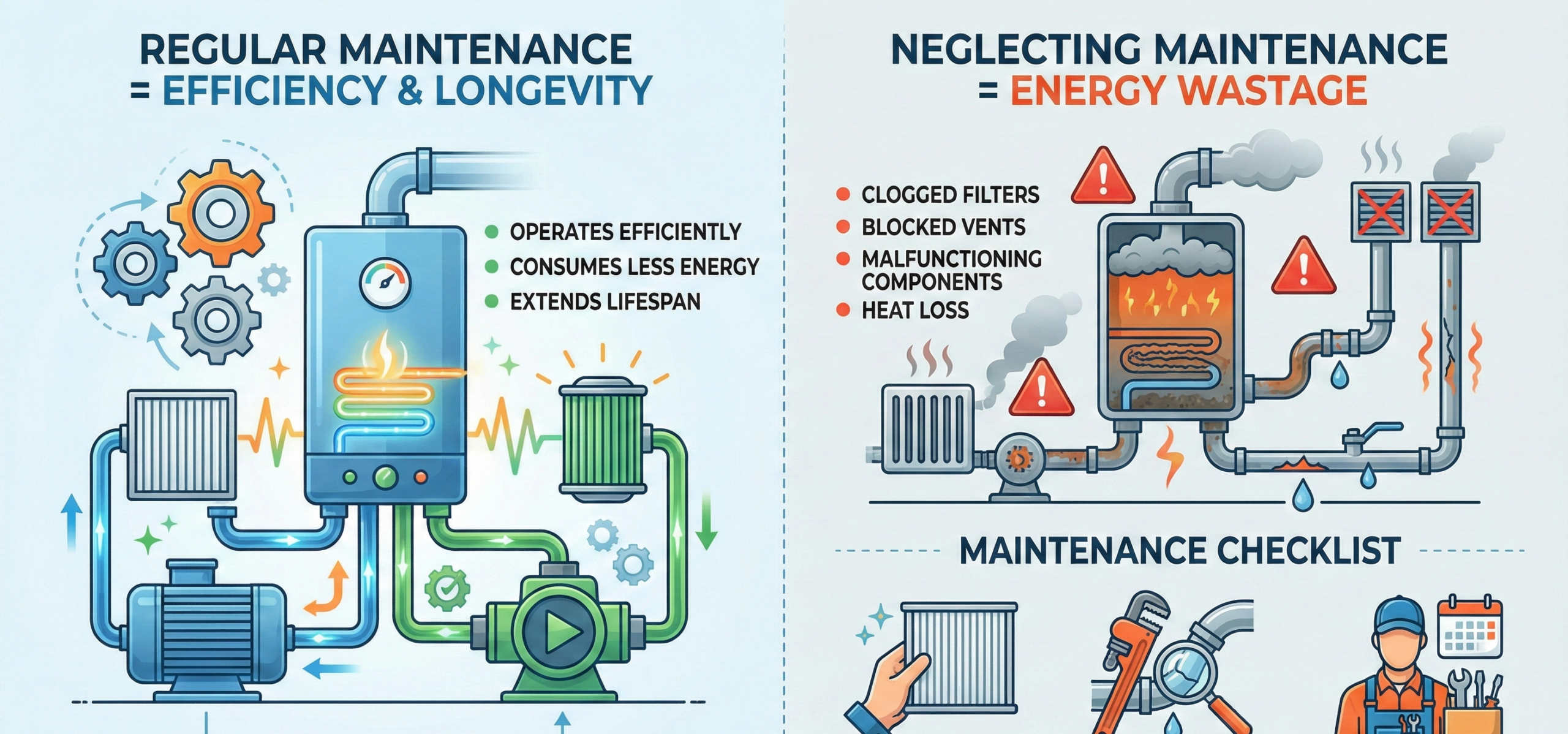
A heating system, like any mechanical equipment, loses efficiency over time without proper care. Dust, debris, and wear can accumulate in boilers, radiators, heat pumps, and ductwork, leading to wasted energy. Cleaning or replacing filters, inspecting ducts for leaks, and ensuring all components are in working order are essential for optimal performance. Scheduling annual professional inspections is crucial because technicians can detect subtle issues—such as blocked pipes, worn-out burners, or misaligned thermostats—that are not easily visible. Neglecting maintenance results in uneven heating, higher energy use, and potential equipment failure. Proper maintenance ensures that every kilowatt of energy is used efficiently, which supports long-term energy savings and system reliability.
Upgrading Your Heating System
Older heating systems are typically less efficient than modern alternatives. Investing in a high-efficiency boiler, furnace, or heat pump can drastically reduce energy consumption. Modern systems often feature modulating burners or adaptive heat pump technology that adjusts output based on demand, reducing unnecessary energy use. Additionally, zoned heating allows different areas of a building to be heated independently, preventing energy waste in unoccupied rooms. When upgrading, consider systems with Energy Star ratings or smart integration, enabling remote control and optimization of heating schedules. These upgrades, combined with maintenance and proper thermostat management, form the cornerstone of long-term energy efficiency.
Insulation and Heat Retention
Even the most efficient heating system cannot perform optimally if heat escapes from the building. Proper insulation in walls, ceilings, floors, and around windows and doors is essential for retaining warmth. Air leaks, poorly insulated attics, and outdated windows significantly increase heating demands. Installing reflective panels behind radiators, using thermal curtains or blinds, and ensuring furniture placement does not block airflow can further enhance energy retention. These measures complement equipment upgrades and maintenance, creating a holistic approach to saving energy while improving comfort and reducing heating costs.
Behavioral Practices and Energy Awareness
While technical solutions are important, human behavior also plays a critical role in energy efficiency. Closing doors to retain heat in occupied rooms, wearing layered clothing indoors, and heating only the spaces in use can lead to measurable energy savings. Efficient management of hot water usage—such as insulating tanks and pipes, installing low-flow faucets, and using on-demand water heaters—further reduces energy consumption. Seasonal adjustments, like relying on sunlight during mild days and lowering thermostat settings in spring and fall, optimize energy use even further. By combining behavioral changes with system improvements, it is possible to achieve substantial reductions in energy consumption without compromising comfort.
Renewable Energy Integration and Smart Monitoring
Long-term sustainability and energy efficiency can be enhanced by integrating renewable or alternative heating sources. Heat pumps, solar-assisted heating systems, and biomass boilers reduce reliance on fossil fuels while maintaining efficiency. Installing energy monitoring tools, such as smart meters and analytics software, allows real-time tracking of energy consumption and helps identify inefficiencies. Professional energy audits provide a detailed evaluation of insulation, system performance, and operational habits, offering actionable recommendations for improving efficiency. Incentive programs and rebates for energy-efficient systems make these upgrades more accessible and financially feasible, encouraging wider adoption of sustainable heating practices.
Conclusion
By implementing these strategies, you can achieve a more efficient heating system, reduce energy bills, and contribute to environmental sustainability. Effective thermostat management, regular maintenance, system upgrades, insulation improvements, behavioral changes, and renewable integration together create a robust approach to saving energy in heating systems. For homeowners and facility managers seeking expert guidance and high-quality heating solutions, visit BaykalHeat.com. Taking action today ensures that your heating system remains efficient, cost-effective, and reliable for years to come.
Leave a Reply